

Ford Explorer Seating for South LA Families
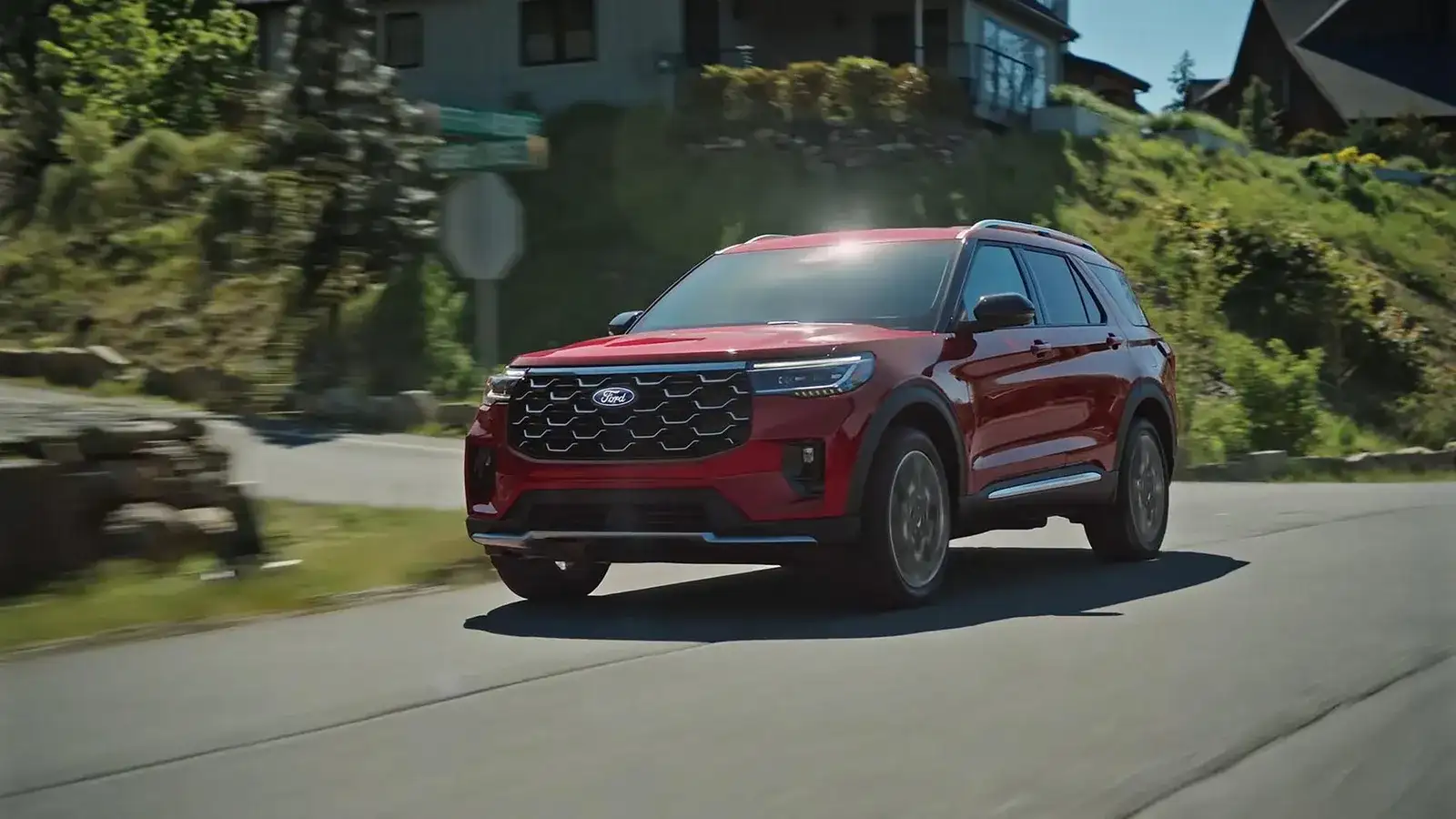
The school pickup line, weekend soccer gear, and a full car for dinner in Downey can quickly expose whether an SUV truly works for your household. Ford Explorer seating is designed for families who need three rows without moving up to a full-size SUV. The key question is not simply how many people fit. It is whether the seating layout, third-row access, and cargo space fit the way your family actually travels.
The Ford Explorer can seat either six or seven passengers, depending on the second-row configuration. That choice affects more than passenger count. It changes how easily people reach the third row, how practical the cabin feels with child seats installed, and whether the vehicle is better suited to daily carpools or occasional larger groups.
Ford Explorer Seating Capacity and Layout
Most current Ford Explorer models offer three rows of seating. A second-row bench seat creates room for up to seven passengers. Available second-row captain’s chairs lower capacity to six, but they create a clear walk-through path to the third row.
For many South LA families, the seven-passenger bench is the better answer when every seat may be occupied. It is especially useful for families with three children, regular carpools, or grandparents who come along for local outings. The trade-off is that third-row passengers typically enter by folding and sliding one side of the second-row seat forward.
Captain’s chairs are often the more comfortable daily arrangement for households using the third row regularly. Passengers can walk between the two second-row seats instead of moving a seat every time. The open center aisle can also make it easier to help a child buckle in from the front or reach items placed in the rear.
Configuration availability can vary by model year and trim, so it is worth confirming the exact vehicle rather than assuming every Explorer has the same arrangement.
How Comfortable Is Explorer Seating in All Three Rows?
The Explorer is a midsize three-row SUV, which means its first and second rows are where it feels most spacious. Adults generally have comfortable room up front and in the second row, while the third row is best viewed as flexible space for children, teens, and shorter adult trips.
Current Explorer specifications list approximately 39 inches of second-row legroom and about 32 inches in the third row. Those numbers help explain the real-world experience. A teenager can use the third row for a trip across Los Angeles County, but taller adults may prefer the second row for longer drives.
Front-seat comfort matters just as much as third-row capacity, particularly for commuters traveling from Compton, Bell, or Huntington Park. The Explorer’s available power-adjustable front seats and available heating, ventilation, or massage features on certain trims can make a noticeable difference. These features vary by trim and package, so shoppers should compare the actual equipment on any Explorer they are considering.
Second-Row Bench vs. Captain’s Chairs
There is no universally better choice between a bench and captain’s chairs. It depends on who rides with you most often.
A bench provides the maximum seven-passenger capacity. It can be the practical pick for a family that needs three child seating positions across the second row or frequently drives groups. However, when a rear-facing child seat is installed, folding the second-row seat for third-row entry may become less convenient.
Captain’s chairs make the Explorer feel more open and give second-row passengers their own defined space. They are a strong fit for families with two children in the second row and kids, friends, or occasional passengers in the third. The downside is straightforward: you give up one seating position.
Before deciding, bring the people who will ride in the vehicle most often. If you use car seats, bring those too. A few minutes spent testing the layout is more useful than choosing based on photos alone.
Third-Row Access and Child-Seat Practicality
Third-row access is one of the biggest reasons shoppers compare Ford Explorer seating layouts carefully. The captain’s-chair configuration creates the simplest path to the rear because passengers can walk through the center. With a bench, the second-row seat needs to slide and tilt forward, assuming the seat position and any installed child seat allow it.
Parents should check three things during a test drive: how easily the second row moves, whether children can climb in independently, and whether an adult can reach the third-row buckles without awkward stretching. These details matter on busy mornings when nobody has time for a complicated seating routine.
The Explorer includes LATCH child-seat anchor positions, but the right placement depends on your child-seat instructions and the vehicle owner’s manual. A rear-facing seat, booster, and third-row passenger can all coexist, but the best arrangement varies by family. Central Ford can help you inspect the cabin layout on the specific Explorer you are considering, but proper child-seat installation should always follow both manufacturer instructions.
Cargo Space With Every Seat in Use
A three-row SUV succeeds or fails on what happens behind the third row. The Explorer offers about 16.3 cubic feet of cargo space behind all three rows, approximately 46 cubic feet with the third row folded, and up to about 85.8 cubic feet with the second and third rows folded on current models.
With seven people aboard, the rear cargo area is suitable for groceries, backpacks, a compact stroller, or a few sports bags. It is not the place for a family’s full vacation luggage. If your usual trips include six or seven passengers plus large coolers, folding wagons, or tournament equipment, take those items with you when you test the vehicle.
When the third row is down, the Explorer becomes much more versatile for daily errands, home projects, and weekend gear. This is where it can make sense for buyers who only use the third row occasionally. You still have the option to carry extra people, while retaining a large cargo area most days.
Available power-folding seating on certain configurations can make the transition between passenger and cargo duties easier. Again, confirm the feature on the vehicle itself, particularly when comparing a new Explorer with a Ford Blue Advantage Certified Pre-Owned model.
Is the Ford Explorer a Good Fit for Your Family?
The Explorer makes sense for buyers who need a genuine third row but do not want the size of a larger SUV. It is well suited to families in Lynwood, Watts, Walnut Park, and nearby communities who rotate between school runs, commuting, family visits, and weekend activities.
It may be the right fit if you usually carry four or five people, need room for six or seven on occasion, and want a vehicle that can switch between people-moving and cargo-hauling. The available six-seat captain’s-chair arrangement is particularly appealing when third-row access is a regular need.
It may be less ideal if you routinely carry seven full-size adults on long trips or need substantial luggage space with every seat occupied. In that case, a larger Ford Expedition may be worth comparing. On the other hand, buyers who rarely use a third row may find a two-row SUV easier to manage and more efficient for their needs.
New vs. Certified Pre-Owned Explorer Seating
A new Explorer lets you focus on the exact seating configuration and comfort features you want, from a seven-passenger bench to captain’s chairs and trim-specific front-seat upgrades. It can be the better path when the second-row layout is nonnegotiable.
A Ford Blue Advantage Certified Pre-Owned Explorer can be a smart value-focused alternative, but seating features require closer review. Previous model years may have different trim availability, seat materials, power-folding functions, or captain’s-chair options. Ask for the vehicle’s seating capacity and verify every feature during your walk-around.
Financing should be part of that comparison as well. The right vehicle is not just the one with the best layout. It is the one that fits your household needs and financing plan clearly, with terms you understand before you sign.
Bring your family, car seats, and a realistic amount of gear to Central Ford for an Explorer test drive. Seeing how everyone gets in, buckles up, and loads the cargo area is the clearest way to choose the seating layout that will still work after the first week of ownership.
Frequently Asked Questions
Where can I get a car seat checked in the South Gate area?
Certified child passenger safety technicians hold inspections at many fire stations, hospitals, and community events in Los Angeles County. Check local listings or the national child seat inspection locator for an appointment. Central Ford can help you find the LATCH anchors on your Explorer, but a certified technician is the best resource for installation.
Does California require kids to ride in the back seat?
California law generally requires children under a certain age to ride in a car seat or booster in the back seat, with limited exceptions. Booster and car seat rules also depend on age and height. Review the current California requirements and your seat manufacturer instructions before deciding where each child rides in your Explorer.
Is the Explorer or Expedition better for a family of six?
A family of six can fit in either, but the Explorer works best when the third row carries children or teens. If adults regularly ride in the back or you need luggage room with every seat filled, the Expedition offers more space. Compare both at Central Ford in South Gate with your family aboard.
Can I test both Explorer seating layouts at Central Ford?
Availability changes, but the Central Ford team in South Gate can check inventory for Explorer models with a second row bench and with captain chairs so you can compare them in person. Call ahead with the layout you want to see so the vehicles are ready when you arrive.
0 comment(s) so far on Ford Explorer Seating for South LA Families