

Ford Transit Cargo Van Configurations Explained
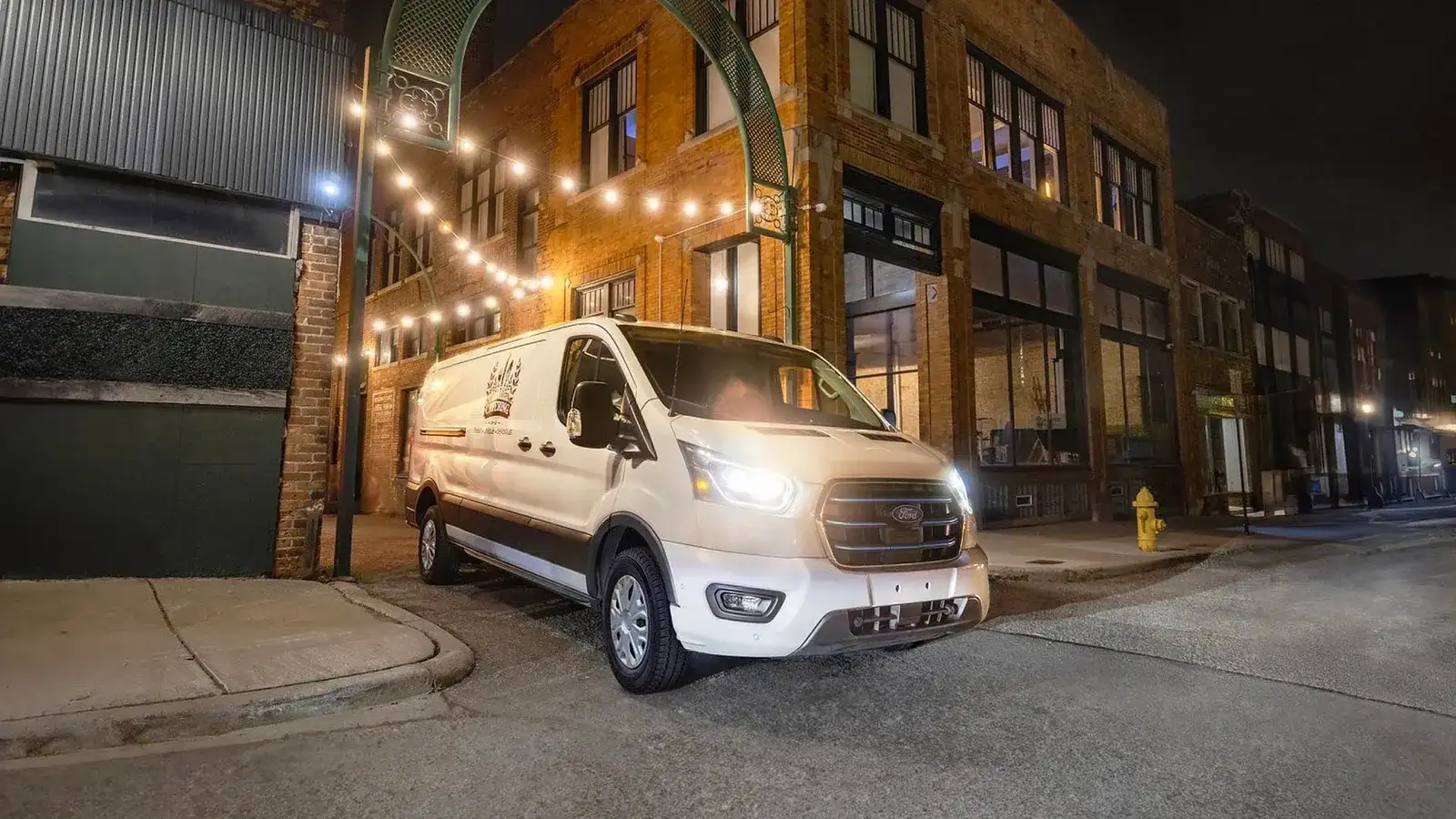
A contractor carrying ladders has different needs than a caterer loading rolling racks or a delivery team making 80 stops across LA County. That is why Ford Transit cargo van configurations matter before you look at colors, accessories, or available inventory. The right setup can make loading easier, reduce wasted fuel and labor, and give your crew a more practical mobile workspace.
For South LA businesses, the best Transit is rarely just the biggest one on the lot. It is the van that fits your equipment, your routes, your drivers, and the parking realities around South Gate, Downey, Compton, Bell, and Huntington Park.
Ford Transit Cargo Van Configurations at a Glance
Ford builds the Transit Cargo Van around several major choices: wheelbase, body length, roof height, drivetrain, engine, and gross vehicle weight rating. Those choices affect cargo volume, interior standing room, turning behavior, payload capacity, and how easily the van works in dense commercial areas.
The primary body configurations typically include a 130-inch wheelbase, a 148-inch wheelbase, and an extended-length model based on the 148-inch wheelbase. Roof choices include low, medium, and high roof designs, although availability can vary by body length and model year. Rear-wheel drive and available all-wheel drive give fleet buyers another important decision point.
A Transit can also be ordered with practical commercial features such as side and rear door options, interior upfit prep, available shelving compatibility, partition mounting points, towing equipment, and driver-assistance technology. The factory configuration is the foundation. Your cargo management system comes after it.
Start With the Work, Not the Van Size
The most useful question is not, “Which Transit is best?” It is, “What does this van carry on its heaviest and busiest day?”
Measure your longest, tallest, and heaviest regular items. A plumber may prioritize secure access to bins and pipe storage. An HVAC crew may need clearance for taller equipment plus a safe path through the cabin. A florist or event company may value a longer, open floor. A parcel delivery business may benefit from an interior layout that lets drivers move quickly between packages.
Also consider where the van goes. A long, high-roof Transit can be a strong choice for a trade business, but it may be less convenient in parking structures, narrow alleys, or locations with limited loading access. A slightly smaller body can be the more productive choice if it saves time at every stop.
130-Inch Wheelbase: Easier to Place in Tight Areas
The 130-inch-wheelbase Transit is often a sensible starting point for businesses working in more congested parts of Los Angeles. Its shorter overall footprint can help with curbside loading, neighborhood streets, and driver confidence when maneuvering into compact spaces.
This configuration suits lighter delivery work, mobile service operations, and trades that do not need a long cargo floor. The trade-off is straightforward: less length means less room for full shelving runs, bulky materials, or large quantities of inventory.
For an owner-operator who spends as much time driving and parking as loading, the shorter wheelbase may be the better everyday tool. It is also worth considering for companies adding their first commercial van and learning what their route volume truly requires.
148-Inch Wheelbase: The Balanced Business Choice
The 148-inch-wheelbase Transit is a natural fit for many businesses because it adds meaningful cargo space without becoming as large as the extended-length model. It can support organized shelving, ladder storage, tool cabinets, and room for larger equipment while remaining manageable for daily work.
This is often the configuration to compare if your business needs a van that can cover several roles. It can work for electrical, plumbing, telecom, delivery, maintenance, and mobile installation teams. The exact cargo space depends on roof height and other specifications, so compare the actual interior dimensions against your planned upfit rather than relying on exterior appearance.
The 148-inch wheelbase is not automatically the right answer. If your crew carries only a few cases of tools and regularly visits tight sites, the additional length may not repay itself. But for businesses that have outgrown a smaller vehicle, it is frequently the most versatile step up.
Extended-Length Transit: Maximum Cargo Priority
The extended-length Transit adds cargo floor length behind the rear axle. It is designed for businesses that routinely carry long materials, large quantities of supplies, bulky rolling equipment, or a full commercial upfit.
For example, an event rental company, courier operation, restoration team, or contractor hauling materials may appreciate the extra length. It can also make sense for fleets that want one van to handle heavier-duty assignments rather than dispatching two smaller vehicles.
The compromise is maneuverability. An extended Transit requires more awareness in parking lots, loading docks, and tight job sites. Drivers should account for the larger turning path and rear overhang, especially when backing near posts, curbs, or equipment. Available camera and driver-assistance features can be valuable here, but they do not replace a configuration that fits the route.
Choosing Low, Medium, or High Roof
Roof height changes how the van feels during every shift. It affects interior working space, cargo stacking, exterior clearance, and the types of upfits that make sense.
A low-roof Transit is useful when building clearance is a major concern. It may be the practical option for drivers who use garages, covered parking, or locations with height restrictions. It also provides a more conventional van profile, which some businesses prefer for daily urban driving.
A medium-roof model adds usable vertical cargo space and can be a middle ground for businesses that need more room without committing to the tallest body. It is worth considering when workers occasionally need to move inside the cargo area but do not need full standing room all day.
A high-roof Transit is often the best choice for trades and delivery operations that benefit from standing or moving upright inside the van. It can make shelving, racks, bins, and taller cargo easier to access. The downside is exterior height. Before choosing one, confirm clearance at your warehouse, regular parking location, customer sites, and any nearby drive-through structures your drivers use.
Drivetrain and Engine Choices for LA County Work
Rear-wheel drive is a traditional commercial-van layout and can be a strong match for fleets carrying substantial loads or towing equipment. It is generally the straightforward choice for many cargo applications because it puts drive power at the rear axle, where vehicle weight is often concentrated.
Available all-wheel drive can be appealing for businesses that travel beyond the city, visit uneven job sites, or want additional traction during heavy rain. In South Los Angeles, all-wheel drive is not a requirement for every buyer, but it can add confidence for operations that run year-round and cannot easily postpone service calls.
Transit engine availability varies by model year, but buyers commonly start with the standard 3.5-liter PFDi V6, and some model years also offered a 3.5-liter EcoBoost V6. The naturally aspirated engine may suit businesses focused on straightforward daily service, while the EcoBoost option can be worth evaluating for buyers who prioritize stronger performance under load or while towing. The right decision depends on payload, route terrain, driving style, and total fleet needs rather than a single headline number.
Payload, GVWR, and Towing Need a Closer Look
Do not assume the longest Transit has the highest usable payload. Payload depends on the specific van’s gross vehicle weight rating, drivetrain, body style, equipment, passengers, and upfit weight. Shelving, partitions, ladder racks, generators, refrigeration equipment, and tool inventory all reduce the remaining payload available for materials.
Before ordering or purchasing, calculate your real working load. Include the driver, any passengers, full fuel, tools, cargo, and permanently installed equipment. Then compare that number with the payload shown on the specific vehicle label. This is more reliable than choosing based on a general online figure.
Towing deserves the same attention. A Transit equipped for towing can be helpful for trailers, equipment, or specialized work, but towing capacity is configuration-specific. Factor in trailer weight, trailer cargo, hitch equipment, and the effect of a loaded van. A transparent conversation with a commercial vehicle specialist can prevent an expensive mismatch.
Plan the Upfit Before You Commit
A cargo van is most productive when the interior is designed around the job. Sketch the layout before selecting a body length. Decide where heavy items sit, how often they are accessed, whether a partition is needed, and how workers will enter and exit the cargo area.
Keep frequently used items near the side door or rear doors. Place heavy equipment low and secure it properly. Leave a clear aisle if employees need to work inside the vehicle. For delivery routes, consider how the layout supports quick package retrieval rather than simply maximizing the number of boxes loaded.
If you are replacing an older van, ask the drivers what caused delays, clutter, damage, or safety concerns. Their feedback can reveal whether you need more roof height, a longer floor, better shelving, or simply a more disciplined cargo layout.
New or Ford Blue Advantage Certified Pre-Owned Transit?
A new Transit may be the better fit when your business needs a specific wheelbase, roof, drivetrain, or factory equipment combination. It also makes sense when you are planning a custom upfit and want to start with the exact foundation your operation requires.
A Ford Blue Advantage Certified Pre-Owned option can be worth considering for value-focused buyers who are flexible on specifications. The key is to inspect the cargo area, doors, flooring, tires, maintenance history, and signs of prior commercial use. A used cargo van may already have an upfit, but that upfit should match your work instead of forcing your team to adapt around it.
Central Ford can help commercial buyers compare available Transit configurations with the equipment and financing approach that fits their operation. Bring measurements for your longest cargo item, a list of installed equipment, and a realistic picture of your daily route. Those details will point you toward a van that earns its place in the business from the first workday.
Frequently Asked Questions
Can Central Ford order a Transit with a specific roof and wheelbase?
Central Ford has a commercial and fleet team in South Gate that can help locate available Transit vans or discuss factory ordering when a specific wheelbase, roof height, or drivetrain is needed. Order timing depends on Ford production schedules, so ask early if you are replacing a van on a deadline.
Is a high-roof Transit practical for parking garages in Los Angeles?
Many parking structures and drive through lanes have clearance limits lower than a high roof Transit, so check posted heights at your regular stops. A low or medium roof can be the safer choice for routes downtown or in older commercial buildings, while a high roof suits teams working from a warehouse lot.
Do businesses in South LA need special registration for a cargo van?
Vans used for business may have different registration and fee requirements in California depending on weight and use. Check the current rules with the California DMV for your situation. Central Ford can provide the weight ratings and documentation from the van to help you complete that process.
Can a Transit be serviced around a work schedule?
Planning maintenance in advance keeps a van earning money. Central Ford in South Gate has a service department for Ford commercial vehicles, so you can schedule oil changes, brakes, and tire work at a time that fits your route. Ask about appointment options for business customers when you book.
0 comment(s) so far on Ford Transit Cargo Van Configurations Explained