

How a Spanish Speaking Ford Dealer Helps You Buy
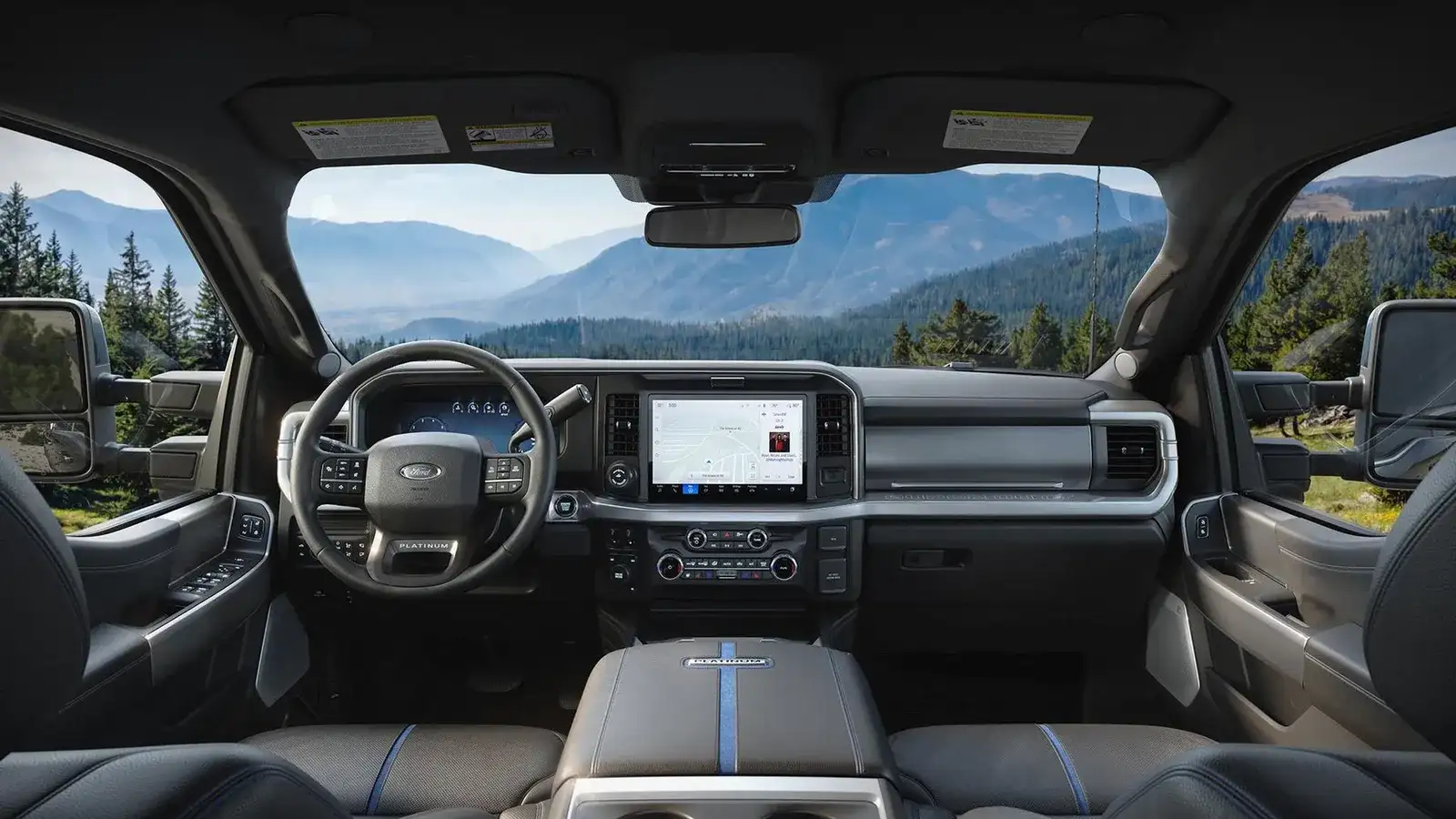
Buying a vehicle should not require translating a contract, guessing what a finance term means, or nodding along when you still have questions. A Spanish speaking Ford dealer can make the process clearer by discussing your vehicle options, trade-in, financing, protection products, and service needs in the language you prefer.
For shoppers across South LA, that clarity can be the difference between choosing a truck or SUV that truly fits and driving home with unanswered questions. At Central Ford, the goal is to help customers compare confidently, understand the details, and receive support well after delivery.
What a Spanish Speaking Ford Dealer Should Provide
Spanish-language assistance is about more than a friendly greeting. It should give you a real opportunity to ask questions, compare options, and understand the documents involved in your purchase or lease. If Spanish is your preferred language, say so at the start of your visit or when you contact the dealership. That helps the team prepare the right support for your appointment.
A helpful dealership experience should include clear conversations about the vehicle itself, the terms of financing, your trade-in if you have one, and the maintenance your Ford will need later. You should be able to ask what a monthly payment includes, how the loan term affects the total amount financed, or whether a vehicle has features your family or business actually needs.
The best answer is sometimes, “It depends.” For example, the right Ford truck depends on how much you tow, what you carry, where you park, and whether the vehicle will serve as a daily commuter. A transparent sales conversation makes room for those details instead of pushing every shopper toward the same model.
Clear Comparisons Between Ford Trucks and SUVs
Many shoppers arrive with a broad goal: a truck for work, an SUV for family use, or a vehicle that uses less fuel on the commute. Narrowing that goal down starts with an honest comparison.
Choosing Between the F-150, Maverick, and Ranger
The Ford F-150 is often the fit for drivers who need substantial towing and hauling capability, available work-focused features, and a broad range of powertrain choices. Depending on configuration, it can be equipped for demanding trailers, equipment, and jobsite use. It is also a full-size truck, so consider your parking space, neighborhood streets, and how often you will use its greater capability.
The Ford Maverick takes a different approach. Its compact footprint can be easier to live with around South Gate, Huntington Park, or Downey, while its truck bed remains useful for home projects, supplies, and weekend gear. It can be a smart choice when fuel efficiency and daily maneuverability matter as much as occasional hauling.
The Ford Ranger sits between those two in size and mission. It is a midsize truck for drivers who want more traditional truck capability than a compact pickup but may not need a full-size F-150. For off-road travel, available Ranger trims and packages may also be worth discussing. The right answer depends on your workload, not just the truck’s appearance.
For commercial customers, the Ford Transit deserves its own conversation. Cargo needs, passenger capacity, upfitting plans, route miles, and driver access all affect which Transit configuration makes practical sense for a growing business or fleet.
Comparing the Bronco, Bronco Sport, Explorer, and Expedition
The Bronco and Bronco Sport share a name, but they serve different buyers. Bronco is built for drivers who prioritize serious trail capability and removable top or door options on certain models. Bronco Sport is smaller and more city-friendly, with useful cargo space and available all-wheel-drive capability for outdoor weekends.
Families often compare the Explorer and Expedition. The Explorer is a three-row SUV that can suit many daily family routines without the size of a full-size SUV. The Expedition offers more passenger and cargo room for larger families, frequent group travel, or heavier towing needs. Before deciding, bring car seats, ask to see the third row, and check whether the cargo area works with your actual stroller, sports gear, or work supplies.
Shoppers who want a two-row SUV can also consider the Bronco Sport or a pre-owned Edge. A simpler seating layout may be a better fit if a third row is not part of your routine. A good test drive includes checking visibility, rear-seat access, parking comfort, and how the vehicle feels on the roads you drive most.
Financing Questions Deserve Straight Answers
Financing is where clear communication matters most. A Spanish speaking Ford dealer should explain the numbers and terms without rushing you. Ask for an explanation of the vehicle price, taxes and fees, trade-in value, down payment, loan term, interest rate, and estimated monthly payment. Each part affects the final agreement.
A lower monthly payment can look appealing, but a longer loan term may mean making payments for more time and paying more interest overall. A shorter term may raise the payment while reducing the length of the loan. Neither option is automatically right for every buyer. The useful question is which structure fits your budget and plans for the vehicle.
If you have limited credit history, past credit challenges, or questions about using a co-buyer, bring that up early. Honest information helps the finance team discuss realistic options. It is also reasonable to take time to review paperwork and ask for clarification before signing.
If you are considering a trade-in, have your title information, payoff details if there is a current loan, and vehicle keys available. Knowing your trade-in’s condition and remaining balance helps create a more accurate picture of your purchase. You can begin by reviewing the financing options available through the dealership before your visit.
New Ford or Ford Blue Advantage Certified Pre-Owned?
A new Ford may be the better fit when you want the newest design, current technology, specific colors or options, and full factory warranty coverage. It can also make sense for buyers who need a particular truck configuration, SUV seating arrangement, or commercial setup.
Ford Blue Advantage Certified Pre-Owned vehicles can be a strong option for value-focused shoppers who still want more confidence than a typical used-car purchase. Eligibility, inspection standards, limited warranty coverage, and benefits vary by certification level and vehicle, so ask which program applies to the specific vehicle you are considering.
The trade-off is selection. A new vehicle can often be ordered or located with more exact specifications, while a certified pre-owned vehicle is limited to what is currently available. If your priority is a particular feature, such as four-wheel drive, third-row seating, or a specific towing setup, communicate that before comparing inventory.
Whether you shop new vehicles or used vehicles, review the vehicle history and condition, confirm the equipment on the actual unit, and take a complete test drive. Do not assume every trim includes the same features.
EV and Hybrid Questions Should Be Practical
The Mustang Mach-E, or a pre-owned F-150 Lightning, can be compelling choices for drivers interested in electric power, while hybrid options may suit shoppers who want improved efficiency without changing their fueling routine. The best choice depends heavily on how and where you drive.
For an EV, think about charging before you purchase. Can you charge at home? Is workplace or public charging available near your regular routes? How far do you typically travel in a day? EPA-estimated range varies by model, battery, drivetrain, weather, speed, cargo, and use of climate control, so it is better to discuss your normal driving pattern than rely on one advertised number.
The F-150 Lightning also requires the same practical truck questions as any pickup: payload, towing, bed use, and worksite needs. Electric power changes the driving experience, but it does not eliminate the need to match the truck to the job.
Support Continues After You Drive Home
A vehicle purchase is only the start of ownership. Factory-trained service and genuine Ford parts support can help you keep up with oil changes, tire rotations, brake inspections, recalls, and recommended maintenance. For EV owners, service needs differ from a gas-powered vehicle, but tires, brakes, fluids, software updates, and routine inspections still matter.
Before leaving the dealership, make sure you know how to use the features that matter most to you. Ask about driver-assist technology, phone connectivity, towing modes, charging equipment, or folding seats. A few extra minutes of explanation can make your first weeks of ownership much easier.
When you are ready, browse the available Ford inventory, prepare your financing questions, and request Spanish-language assistance for your visit. The right vehicle decision starts with a conversation you fully understand.
Frequently Asked Questions
Can I review my Ford contract in Spanish before signing?
Ask the Central Ford team at the start of your visit to explain each document in Spanish, and take time to read before you sign. In California, some contracts negotiated mainly in Spanish must be provided with a Spanish translation, so ask about this when you finance or lease. Never sign a document with blank spaces.
Does Central Ford help buyers from Huntington Park and Lynwood?
Yes. Central Ford in South Gate is a short drive from Huntington Park, Lynwood, Downey, and Bell, with easy access from the I-710 and I-105. Call ahead to request Spanish speaking help so the right team member is ready for your appointment.
Can I buy a Ford with no credit history?
Buyers with limited credit history can often still find financing options, though terms depend on the lender and your overall application. A larger down payment, proof of income, or a qualified co buyer may help. Bring documents to Central Ford and ask the finance team to explain every option clearly before you choose.
Can I schedule Ford service in Spanish?
You can ask for Spanish language help when you call or book service at Central Ford in South Gate. Explaining the problem in the language you are most comfortable with helps technicians understand the symptoms, and you should ask for the estimate and recommended work to be explained before you approve repairs.
0 comment(s) so far on How a Spanish Speaking Ford Dealer Helps You Buy